





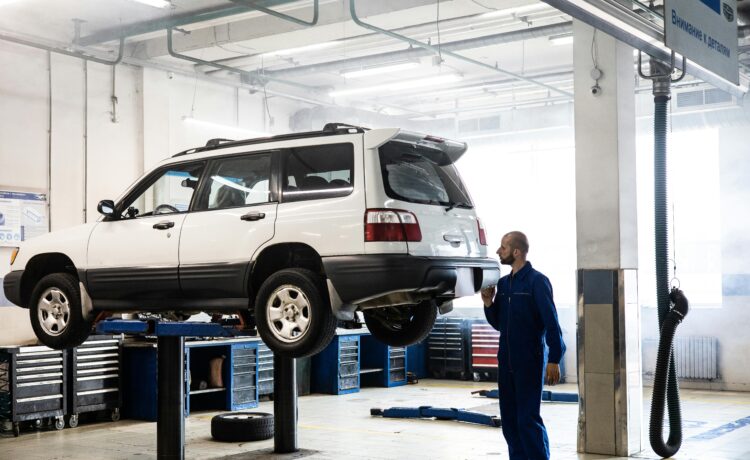
Every workshop deserves the best tools to thrive, and car hoist lifting equipment is essential for any automotive garage. Imagine effortlessly lifting vehicles, providing ample space to work underneath them, and ensuring safety for both your team and clients. Upgrading your existing setup can transform not only how you operate but also enhance productivity in ways you might not have considered before. Whether you’re a seasoned mechanic or just starting out, understanding the various types of car hoists available will help you make informed decisions tailored to your needs. Dive into this guide as we explore innovative upgrade ideas that promise to elevate your workshop experience!
Types of Car Hoists: Two-Post, Four-Post, and Scissor Lifts
When it comes to joels garage car hoist, choosing the right type can make all the difference in your workshop’s efficiency. Two-post lifts are a popular choice for many mechanics. Their design allows easy access to both sides of a vehicle, making repairs and inspections straightforward.
Four-post lifts offer more stability and can support heavier vehicles with ease. These hoists often come equipped with added features like wheel alignment capabilities, which is beneficial for comprehensive service tasks.
Scissor lifts provide versatility in tight spaces. They have a compact footprint while offering excellent lifting height options. This makes them ideal for urban workshops where space is at a premium.
Each type has its unique advantages tailored to specific needs and preferences, ensuring that every mechanic finds the right fit for their operation.
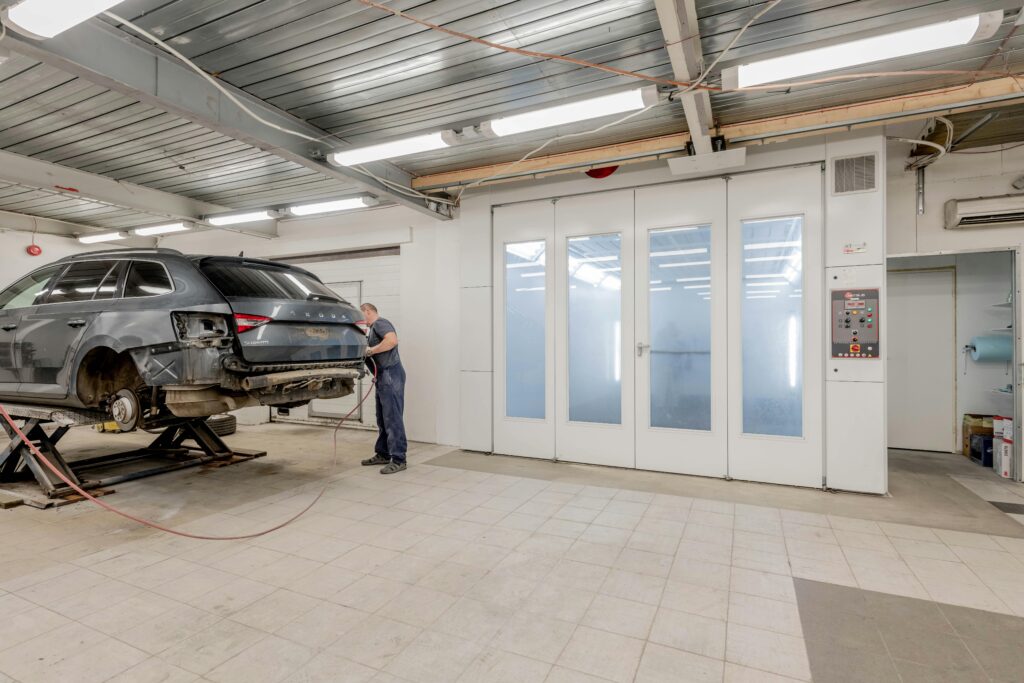
Benefits of Upgrading to Professional Car Hoist Lifting Equipment
Upgrading to professional car hoist lifting equipment can revolutionize your workshop. Enhanced safety is one of the most significant benefits. High-quality lifts come equipped with advanced safety features, reducing the risk of accidents.
Efficiency also sees a marked improvement. Professional-grade hoists lift vehicles quickly and securely, allowing technicians to focus on repairs rather than struggling with outdated tools. This means more jobs completed in less time.
Durability is another advantage worth noting. Quality hoists are built to withstand heavy use, offering longevity that cheaper alternatives often lack.
Moreover, professional equipment typically provides better accessibility for comprehensive vehicle inspections and repairs. Technicians appreciate having ample space underneath cars without contorting their bodies or compromising comfort.
Investing in superior car hoisting solutions elevates not just productivity but also enhances the overall professionalism of your workshop’s operations and services offered to customers.
Factors to Consider When Choosing the Right Car Hoist for Your Workshop
When selecting the right car hoist for your workshop, several factors come into play. First, consider the type of vehicles you work on regularly. A two-post hoist may suffice for standard cars, while larger trucks or SUVs might require a four-post model.
Weight capacity is crucial as well. Ensure that the hoist can handle the maximum weight of your vehicles with ease.
Space availability in your workshop also matters significantly. A compact scissor lift could be ideal if you’re short on room but still want efficiency.
Think about power requirements too; some lifts need a dedicated electrical supply to operate safely and effectively.
Look into safety features such as locking mechanisms and emergency stops to protect both you and your clients during repairs or maintenance tasks.
Installation and Maintenance Tips for Car Hoist Lifting Equipment
When investing in car hoist lifting equipment, proper installation and ongoing maintenance are essential for optimal performance. It’s crucial to follow the manufacturer’s guidelines during installation to ensure safety and efficiency. Ideally, this should be handled by a professional who understands the technical specifications of the equipment.
Once installed, regular inspections are key. Check all components such as cables, hydraulic systems, and safety features routinely. This proactive approach helps identify any wear or issues before they become significant problems.
Lubrication is another critical aspect of maintenance that cannot be overlooked. Keeping moving parts well-lubricated minimizes friction and prolongs their lifespan. Make it a habit to clean the area around your hoist regularly; dirt and debris can interfere with its operation.
Training staff on safe usage practices also plays an important role in maintaining your car lift’s functionality while ensuring workplace safety. Encourage open communication about potential hazards or concerns that might arise during operations.
By adhering to these tips for installation and maintenance, you’ll enhance not only the longevity of your car hoist but also improve overall workshop productivity—making it a worthwhile upgrade for any automotive business.


What New NDIS Participants Wish They Had Known Sooner


Ask people who have been on the NDIS for a few years what they would tell their newer selves, and...


Dependable Technology: What Reliable Business IT Support Really Means
In the world of business, reliability is the most valued characteristic of technologyand it's difficult to assure without the proper...


Commercial Cooling Systems in the Riverina: What Should Business Operators in the Riverina Consider Before Specifying or Replacing?
There are several factors coming together to create a unique scenario for many Riverina business operators at this particular time:...


Buying a Home in the Albury-Wodonga Region: What the Lending Process Actually Looks Like for First-Time Buyers?
New home loans for first-time buyers surged by 6.8% in the December quarter of 2025 to a total of 31,783...