





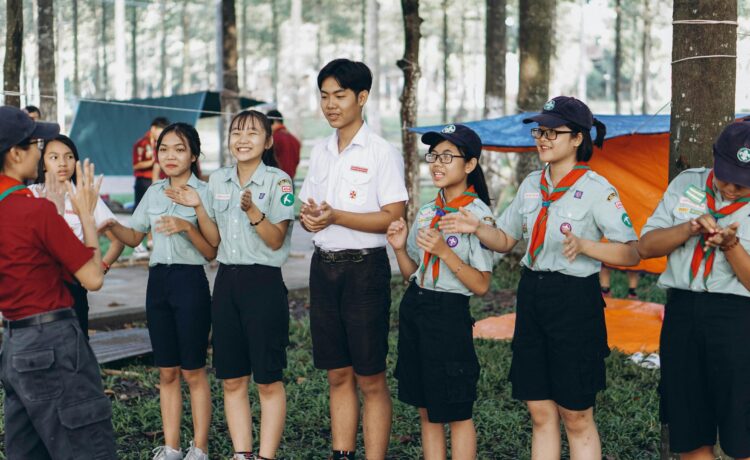
Picture this: a group of students, laughter echoing through the trees as they navigate a ropes course. Bright-eyed and eager, they’re not just having fun; they’re learning valuable life skills that will support their development for years to come. Experiential school camp activities offer more than just an escape from the classroom. They provide immersive experiences that challenge students in ways traditional education often cannot.
Whether it’s hiking through rugged terrains or collaborating on team-building exercises, these activities create unforgettable memories while fostering personal growth. If you’re curious about how such experiences can shape young minds positively, read on! Discover the myriad benefits of experiential learning and why outdoor education is a vital component of student development today.
Benefits of experiential learning for students
experiential educational school camps transforms the educational experience. It encourages students to engage with content actively rather than passively absorbing information.
Students learn by doing, which solidifies their understanding of concepts. This hands-on approach fosters critical thinking and problem-solving skills, essential in today’s world.
Additionally, it caters to various learning styles. Some thrive through visual methods while others prefer tactile experiences. Experiential learning intertwines these styles seamlessly.
Moreover, such activities often promote collaboration among peers. Working together enhances communication skills and builds teamwork abilities that will benefit them long after they leave school.
Experiential learning nurtures a love for exploration and discovery. Students become curious learners who seek knowledge beyond textbooks—a trait that shapes lifelong education.
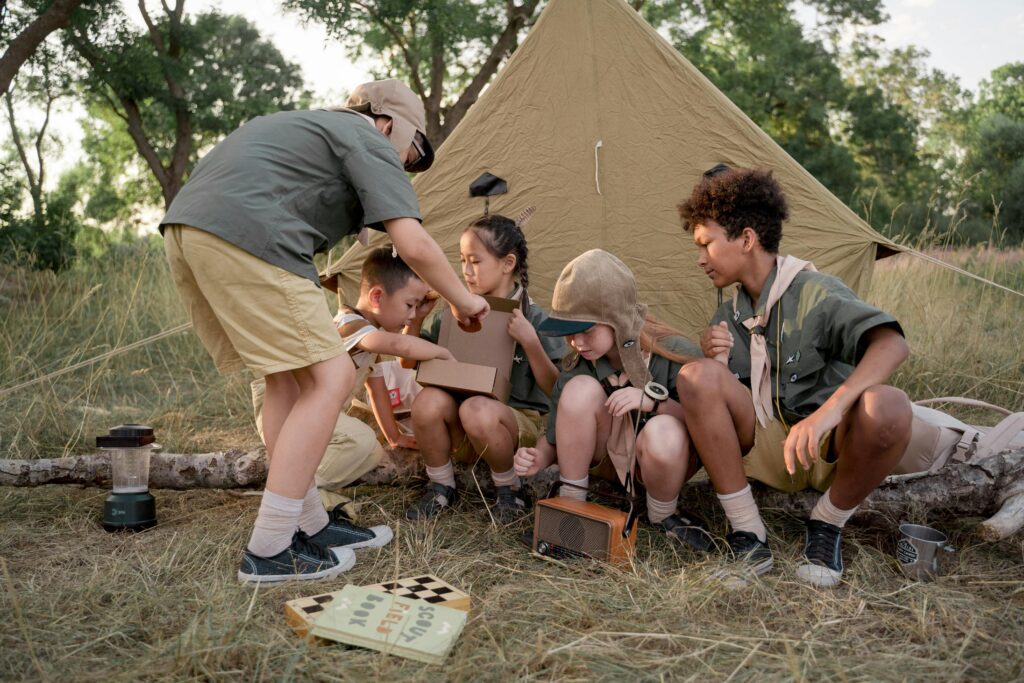
Importance of outdoor education in student development
Outdoor education plays a crucial role in student development. It immerses learners in nature, fostering a connection that enhances their appreciation for the environment. This experience is vital as it encourages curiosity and exploration.
Being outdoors also promotes physical activity. Engaging in hiking, climbing, or team games nurtures fitness and coordination. These activities aren’t just fun; they build resilience and confidence.
Moreover, outdoor settings provide unique learning opportunities. Students can apply classroom knowledge to real-world situations. Whether it’s studying ecosystems or practicing teamwork during group challenges, every moment counts.
Additionally, there’s an element of adventure that ignites creativity. Nature inspires innovative thinking and problem-solving skills by pushing students out of their comfort zones.
Outdoor education fosters independence as children learn to navigate new environments while making decisions on their own. This growth contributes significantly to shaping well-rounded individuals ready for future challenges.
How camp-based activities support academic growth
Camp-based activities create an engaging environment that complements traditional learning. When students participate in hands-on experiences, they connect theory to practice. This active involvement enhances retention and understanding of academic concepts.
For instance, a science project conducted outdoors allows students to observe ecosystems firsthand. They can measure plant growth or analyze soil samples. Such real-world applications deepen their knowledge far beyond classroom walls.
Moreover, these activities often require teamwork and problem-solving skills. Students learn how to collaborate effectively while tackling challenges together. This not only reinforces critical thinking but also encourages creative solutions.
In addition, the excitement of camp fosters curiosity and motivation for learning. Students are more likely to explore subjects deeply when they’re engaged in interactive settings that spark their interests.
The integration of academic content with experiential learning at camps results in well-rounded educational experiences for all participants.
Social and emotional benefits of experiential learning
Experiential learning, particularly through school camp activities, significantly impacts students’ social and emotional development. Engaging in hands-on experiences allows students to step outside their comfort zones. They learn to navigate new environments and face challenges together, fostering teamwork.
As they participate in group tasks or tackle outdoor adventures, students build trust and communication skills. These interactions create a sense of belonging among peers. Such connections can reduce feelings of isolation often experienced during school years.
Moreover, these camp-based activities encourage self-discovery. Students encounter various situations that challenge their problem-solving abilities and resilience. As they overcome obstacles—whether it’s climbing a rock wall or cooking outdoors—they gain confidence that extends beyond the camp environment.
The emotional growth doesn’t stop there; students also learn empathy by working alongside diverse groups of peers from different backgrounds. Understanding others’ perspectives enhances interpersonal relationships back at school.
Experiential learning through camps equips children not just with knowledge but essential life skills too—making them well-rounded individuals prepared for future challenges.


What New NDIS Participants Wish They Had Known Sooner


Ask people who have been on the NDIS for a few years what they would tell their newer selves, and...


Dependable Technology: What Reliable Business IT Support Really Means
In the world of business, reliability is the most valued characteristic of technologyand it's difficult to assure without the proper...


Understanding Specialist Physiotherapy for Movement Problems
Movement is an essential part of our daily lives. Whether it’s a simple stroll in the park or participating in...


Commercial Cooling Systems in the Riverina: What Should Business Operators in the Riverina Consider Before Specifying or Replacing?
There are several factors coming together to create a unique scenario for many Riverina business operators at this particular time:...