




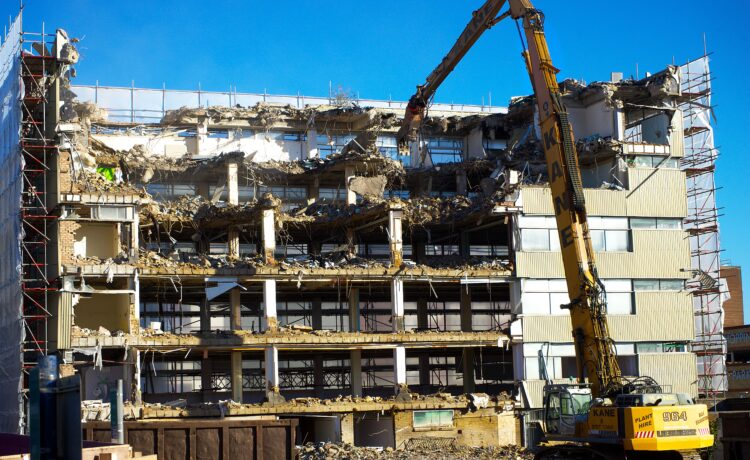
Demolition is often seen as one of the most hazardous aspects of construction. Large machinery, crumbling structures, and flying debris can turn a routine job into a dangerous situation in seconds. But what if there was a way to mitigate those risks? Enter remote-controlled demolition equipment. This innovative technology has been making waves in the industry, allowing operators to take control from a safe distance. Imagine being able to dismantle buildings without putting anyone’s life on the line—that’s exactly what this equipment offers. Let’s explore how these advanced tools are not only changing the game but also enhancing safety on job sites across the globe.
What is Remote-Controlled Demolition Equipment?
Remote-controlled demolition equipment refers to specialized machinery designed for dismantling structures from a distance. This technology allows operators to maneuver heavy-duty tools without being physically present at the site, significantly reducing exposure to risks.
These machines come in various forms, including robotic arms and compact excavators. Equipped with powerful attachments like hydraulic hammers or crushers, they can efficiently handle both small and large-scale projects.
The demolition robot melbourne operation is typically facilitated through a wireless control system. Operators can see real-time video feeds of the work area while controlling the machine’s movements. This setup not only enhances precision but also ensures that tasks are completed safely.
With advancements in design and functionality, remote-controlled demolition equipment has become an essential asset in modern construction practices. It offers greater flexibility while minimizing potential hazards associated with traditional demolition methods.
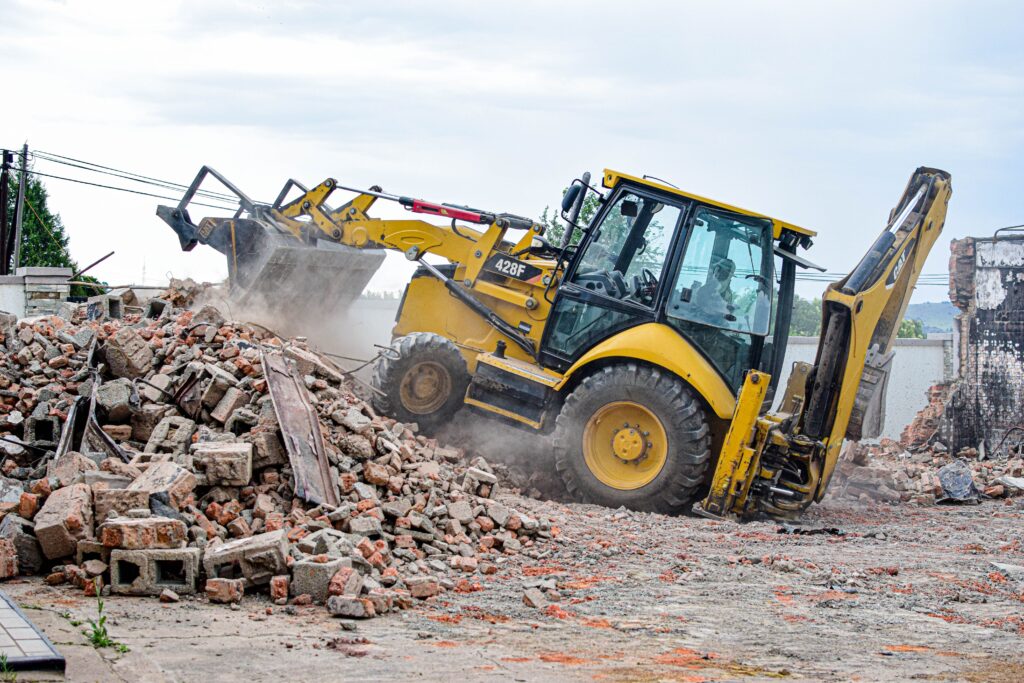
The Advantages of Using Remote-Controlled Demolition Equipment
Remote-controlled demolition equipment transforms the way construction sites operate. It brings a level of precision that traditional methods often lack. Operators can navigate tight spaces and execute intricate tasks with ease.
These machines minimize human exposure to hazardous environments. Workers are kept at a safe distance from falling debris or unpredictable structures. This drastically reduces the risk of accidents on site.
Additionally, remote control technology enhances productivity. Tasks that once took hours can now be completed in minutes, leading to faster project turnarounds.
Moreover, using this advanced equipment can lead to significant cost savings in labor and time. Businesses benefit not just from enhanced safety but also improved efficiency—a win-win for all involved in demolition projects.
Improved Safety Measures
Remote-controlled demolition equipment significantly enhances safety on construction sites. By allowing operators to maintain a safe distance from hazardous areas, these machines reduce the risk of injury during dangerous tasks.
The precise control offered by remote systems minimizes the chances of accidents. Operators can navigate through debris and tight spaces without putting themselves in harm’s way. This technology also lowers exposure to dust, falling materials, and other environmental hazards.
Moreover, remote-controlled units often come with built-in safety features. These include emergency stop buttons and automatic shut-off mechanisms that activate under specific conditions. Such innovations add an additional layer of protection for both workers and nearby personnel.
By prioritizing worker safety through technological advancements, contractors demonstrate their commitment to creating secure job sites. Investing in this type of equipment not only safeguards lives but fosters a culture focused on health and well-being within the industry.
Training and Certification for Operating Remote-Controlled Demolition Equipment
Operating remote-controlled demolition equipment requires more than just a desire to work. Proper training is essential to ensure safety and efficiency on the job site.
Training programs teach operators how to navigate complex machinery. They cover everything from basic functions to advanced techniques, ensuring that workers can handle various scenarios effectively.
Certification plays a crucial role in establishing credibility. It shows that an operator has undergone rigorous instruction and understands industry standards. Many companies prefer certified personnel for their expertise in safe practices.
Hands-on experience complements theoretical learning. Simulated environments allow trainees to practice without risking lives or property. This practical approach builds confidence and skill before stepping onto an actual demolition site.
Regular refresher courses keep skills sharp and up-to-date with technological advancements. Staying current with evolving equipment ensures operators are always prepared for any challenges they may face during projects.
Cost-Effectiveness and Efficiency
Remote-controlled demolition equipment not only enhances safety but also boosts overall project efficiency. These machines can operate in hazardous environments without putting operators at risk, leading to fewer accidents and lower insurance costs. With the ability to tackle challenging tasks quickly, projects can be completed on time, which is critical for staying within budget.
Additionally, remote operation minimizes downtime. When workers are removed from direct danger zones, they can focus on other essential tasks while the machinery handles demolitions. This streamlined approach leads to better resource allocation and maximizes productivity.
The initial investment may seem significant; however, many businesses find that the long-term savings outweigh this upfront cost. Fewer injuries mean reduced liability claims and training expenses for new hires due to accidents.
Moreover, with advancements in technology continually coming forth, these machines become more efficient over time. Investing in remote-controlled demolition equipment represents a forward-thinking move that pays dividends across various aspects of construction management.
Implementing this innovative approach results in smoother operations both on-site and financially—a win-win situation for any construction or demolition business aiming to prioritize safety alongside performance.


Dependable Technology: What Reliable Business IT Support Really Means


In the world of business, reliability is the most valued characteristic of technologyand it's difficult to assure without the proper...

Commercial Cooling Systems in the Riverina: What Should Business Operators in the Riverina Consider Before Specifying or Replacing?
There are several factors coming together to create a unique scenario for many Riverina business operators at this particular time:...


Buying a Home in the Albury-Wodonga Region: What the Lending Process Actually Looks Like for First-Time Buyers?
New home loans for first-time buyers surged by 6.8% in the December quarter of 2025 to a total of 31,783...


What Does an Experienced High School Tutor in Melbourne Actually Do Differently?
Most parents out hunting for tutoring support tend to assume the best tutor is simply the one who achieved the...