



Plumbing issues can strike at the most inconvenient times, turning a peaceful day into an unexpected frenzy. Whether it’s a stubborn leak or a mysterious clog, these problems can quickly escalate if not addressed promptly. That’s why understanding your plumbing system and knowing how to react is essential for any homeowner.
Regular maintenance can help prevent many headaches down the road. However, even with the best preventative measures, surprises sometimes happen. Armed with knowledge and a little preparation, you can tackle almost any plumbing challenge that comes your way.
Let’s dive into some common household plumbing problems and discover how to manage them effectively so you’re never caught off guard again!
Importance of Plumbing Maintenance
Plumbing maintenance is a crucial aspect of homeownership. Regular check-ups help identify potential issues before they turn into costly repairs.
Routine inspections can reveal hidden leaks, corroded pipes, or drainage problems that may not be immediately visible. Addressing these concerns early prevents water damage and mold growth in your home.
Additionally, well-maintained plumbing systems operate more efficiently. This efficiency translates to lower water bills and reduced energy costs over time.
Don’t forget about the importance of seasonal maintenance too. Flushing your water heater or checking for frozen pipes in colder months can make a significant difference.
Neglecting plumbing upkeep may lead to emergency situations that disrupt daily life and cause stress. By prioritizing regular maintenance with a qualified plumber Dandenong, you ensure peace of mind while protecting your investment long-term.
Common Household Plumbing Problems
Every homeowner faces plumbing issues at some point. Some problems are minor while others can cause significant damage.
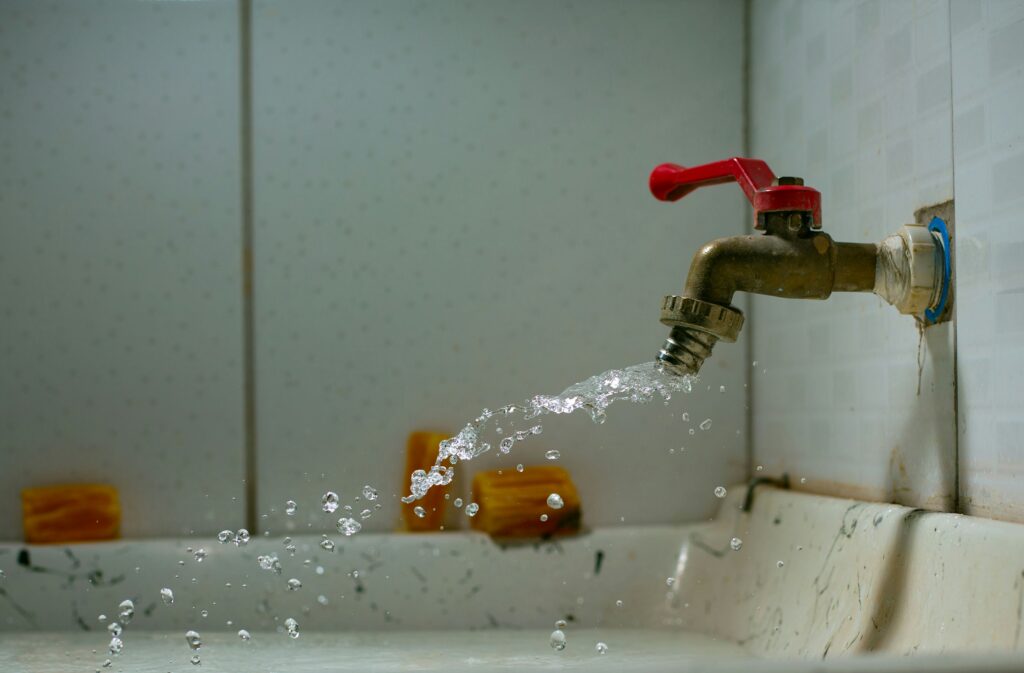
Leaky faucets are one of the most common nuisances. They waste water and can lead to higher utility bills if not addressed quickly.
Clogs in sinks and drains also rank high on the list. Hair, grease, and foreign objects often contribute to these headaches, requiring a bit of effort to clear them out.
Toilets that constantly run or do not flush properly can be frustrating. These problems usually stem from worn-out parts that need replacement.
Burst pipes can create chaos. While this is less frequent, when it occurs, immediate action is required to prevent flooding and further damage throughout your home.
Being aware of these issues empowers you to tackle them head-on or decide when it’s time for professional help.
Preparing for Unexpected Plumbing Issues
Unexpected plumbing issues can catch anyone off guard. Being prepared is essential for minimizing damage and stress.
Start by knowing where your main water shut-off valve is located. This simple step can save you from a potential flood if a pipe bursts.
Next, keep essential tools handy—like a plunger, adjustable wrench, and plumber’s tape. Having these items within reach makes tackling minor problems easier.
Consider creating an emergency kit with towels, buckets, and even some basic repair supplies. When trouble strikes, you’ll be ready to act quickly.
Regularly check your home for signs of leaks or wear in pipes and fixtures. Early detection often prevents more significant issues down the line.
Educate yourself on common household plumbing systems. Understanding how everything works allows you to respond more effectively when emergencies arise.
DIY Fixes for Minor Plumbing Problems
When a minor plumbing issue arises, it’s often tempting to grab the phone and call for help. But many small problems can be tackled with just a few basic tools.
A dripping faucet is one common annoyance. Usually, replacing a worn-out washer or O-ring does the trick. Just turn off the water supply, disassemble the faucet, and swap out that pesky part.
Clogged drains are another frequent headache. A mixture of baking soda and vinegar can work wonders. Pour them down your drain, let it fizz for a while, then flush with hot water.
Toilet issues like running toilets may seem daunting but usually require only adjusting or replacing the flapper valve inside the tank. It’s an easy fix that saves both water and money on your bill.
These simple DIY projects not only save time but also empower you to take control of your home’s plumbing situation without stress.
When to Call a Professional Plumber
Knowing when to call a professional plumber is essential for maintaining your home’s plumbing system. While many minor issues can be tackled with DIY methods, some problems require expert attention.
If you encounter persistent leaks or clogs that resist all attempts at fixing them, don’t hesitate to seek help. Trying to resolve these issues on your own can sometimes lead to more damage and expensive repairs down the line.
Another sign that it’s time for a pro is if you experience low water pressure across multiple fixtures. This might indicate a larger problem within your plumbing system that needs specialized tools and knowledge.
In cases of sewage backups or strange odors emanating from drains, it’s critical to act quickly. These situations not only pose health risks but may also lead to significant property damage.
If you’re planning major renovations involving plumbing work—like adding new bathrooms or kitchens—it’s wise to consult with a licensed plumber right from the start. They can offer valuable insights and ensure everything meets local building codes.
Taking action promptly by calling in professionals ensures safety and peace of mind while navigating unexpected plumbing problems in your home.


Understanding Your Options for Home Loans and Refinancing


Navigating the world of home loans can feel like stepping into a maze. With so many options and terms thrown...

The Quickest Way to Upgrade Your Doors Without Hiring Help
Upgrading your doors can transform the look and feel of your home without breaking the bank or taking weeks to...

Effortless Cleaning with Hand Vacuum for Everyday Messes
Keeping your living space clean can sometimes feel like a daunting task. Between daily messes, crumbs on the floor, and...


Looking into the market for modern adult toys
More and more people are focusing on their own health. In Australia, personal health has become a big deal in...