






As our loved ones age, the way we care for them becomes more crucial than ever. The landscape of aged care is evolving, with a greater emphasis on treating older adults as individuals rather than simply patients. This shift toward person-centered and respectful care is not just a trend; it’s a fundamental change in how we approach aging and support those who have contributed so much to our lives.
Imagine entering a space where your preferences are prioritized, where your voice matters, and where caregivers truly understand you as an individual. This isn’t just wishful thinking—it can be the reality when respect and personalization become cornerstones of aged care.
Let’s explore why this approach matters deeply for older adults, the benefits it brings to their daily lives, and how we can overcome challenges in making such essential changes within our communities. Join us on this journey into understanding person-centered aged care!
Understanding Person-Centered Care
Person-centered care (Checkout the Website:Cfaq) revolves around the idea that older adults should be at the heart of their care journey. It shifts the focus from simply providing services to understanding individual needs, preferences, and values.
This approach encourages caregivers to engage in meaningful conversations with older adults. By listening actively, caregivers can create tailored plans that reflect a person’s unique life experiences and desires.
Empowerment is crucial in this model. Older individuals are encouraged to make choices about their daily routines, fostering independence and dignity.
Moreover, it emphasizes collaboration among healthcare providers and families, ensuring everyone is on the same page regarding the individual’s wishes. This shared approach not only enhances trust but also nurtures genuine relationships between caregivers and those they serve.
Embracing person-centered care transforms how we view aging—from a mere phase of life to an opportunity for continued growth and fulfillment.
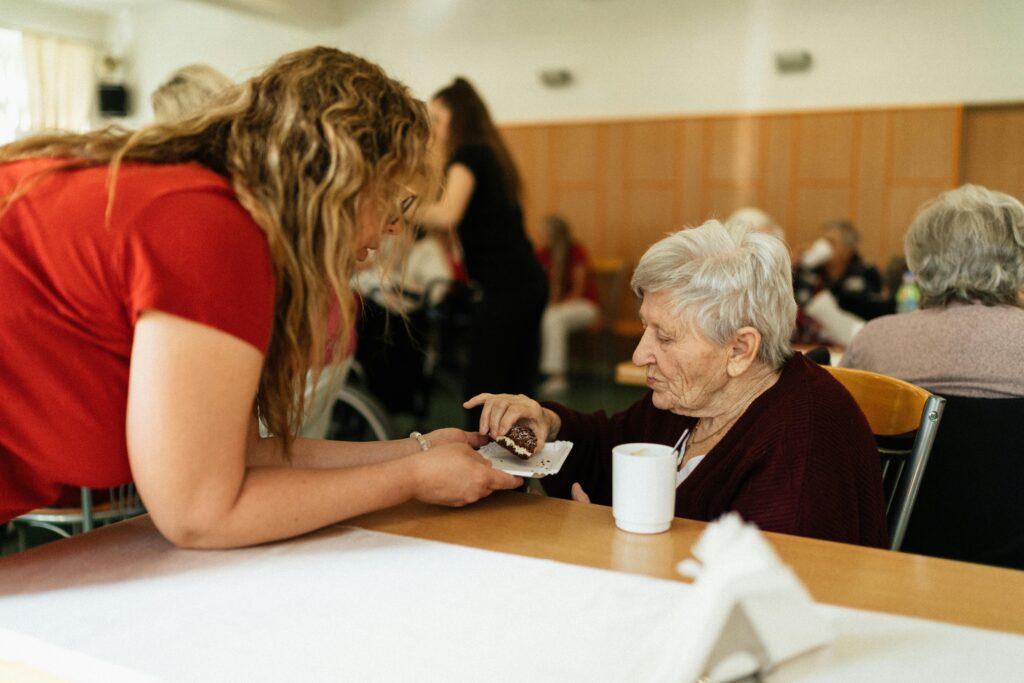
The Role of Respect in Aged Care
Respect is the cornerstone of effective aged care. When caregivers treat older adults with dignity, it fosters a sense of worth and belonging.
Acknowledging their life experiences and individuality builds trust. This connection can significantly enhance communication between caregivers and residents.
Respectful interactions also promote emotional well-being. Older individuals feel valued when their preferences are considered in daily routines. Simple gestures, like asking for input on meals or activities, make a big difference.
Moreover, fostering an atmosphere of respect encourages autonomy. It empowers older adults to make choices about their own lives, reinforcing their independence even in care settings.
When respect is woven into the fabric of aged care services, it cultivates a supportive environment where everyone thrives. Staff who embody these values inspire others to follow suit, creating a ripple effect that enhances overall quality of life within the community.
Benefits of Person-Centered and Respectful Aged Care for Older Adults
Person-centered and respectful aged care brings numerous benefits to older adults. First, it fosters a sense of dignity. When caregivers treat seniors as individuals with unique needs and preferences, it enhances their self-worth.
Older adults also experience improved emotional well-being. Tailoring care to personal choices can reduce feelings of isolation and depression. Engaging in activities that resonate with their interests leads to happier days.
Moreover, this approach promotes better health outcomes. Personalized care plans allow for more effective management of chronic conditions. Regular assessments ensure that any changes in health are promptly addressed.
Social interactions flourish within a respectful environment. Building strong relationships between caregivers and residents creates a supportive community where everyone feels valued.
When older adults feel heard and respected, they’re more likely to participate actively in their own care decisions. This empowerment can lead to increased satisfaction with life overall.
Challenges and Solutions in Implementing Person-Centered Care
Implementing person-centered care in aged care facilities can be challenging. Staff training often lags behind the need for a more empathetic approach. Many caregivers are overwhelmed, struggling to balance tasks with genuine connection.
Resistance to change is another hurdle. Some staff members may prefer established routines over new practices that require deeper engagement with residents. This mindset can hinder progress and limit the benefits of personalized care.
To overcome these barriers, tailored training programs are essential. Workshops focusing on communication skills and empathy can empower caregivers. Additionally, fostering an open culture encourages sharing ideas and experiences among staff.
Regular feedback from both caregivers and residents creates a loop of continuous improvement. When everyone feels heard, it strengthens commitment to a person-centered model while enhancing relationships within the facility’s community.
The Impact of Person-Centered Care on the Quality of Life for Older Adults
The implementation of person-centered care can significantly enhance the quality of life for older adults. When caregivers prioritize the preferences, needs, and individual identities of their clients, it fosters a deeper sense of dignity and worth. This tailored approach not only improves emotional well-being but also promotes physical health.
Older adults who experience respectful and person-centered care often report higher satisfaction levels in their daily lives. They feel heard and valued, which can lead to reduced feelings of loneliness or depression. Additionally, when individuals are treated as active participants in their own care plans, they are more likely to engage in social activities that contribute positively to their overall happiness.
Furthermore, positive relationships between caregivers and older adults flourish within this framework. Trust builds over time when respect is at the foundation of interactions. As a result, family members may also notice significant improvements in the mental state and engagement levels of their loved ones.
This shift towards person-centered approaches ultimately transforms aged care into something much more meaningful—enhancing not just how services are delivered but enriching lives on many levels. By embracing these practices widely across facilities and home environments alike, we pave the way for improved experiences for our aging population—a change that benefits everyone involved.


What New NDIS Participants Wish They Had Known Sooner


Ask people who have been on the NDIS for a few years what they would tell their newer selves, and...


Dependable Technology: What Reliable Business IT Support Really Means
In the world of business, reliability is the most valued characteristic of technologyand it's difficult to assure without the proper...


Understanding Specialist Physiotherapy for Movement Problems
Movement is an essential part of our daily lives. Whether it’s a simple stroll in the park or participating in...


Commercial Cooling Systems in the Riverina: What Should Business Operators in the Riverina Consider Before Specifying or Replacing?
There are several factors coming together to create a unique scenario for many Riverina business operators at this particular time:...