





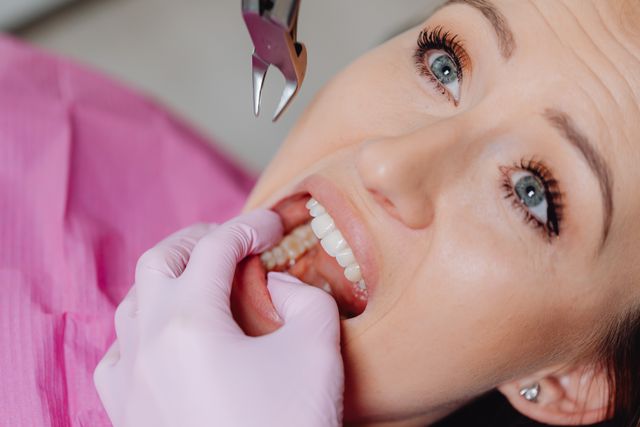
Internal tooth resorption is a pretty rare but potentially very damaging dental condition. It gets worse when the dentin in your tooth starts to just melt away, from the inside out. Unlike the resorption that happens on the outside of a tooth, which is pretty easy to spot, internal resorption starts from the inside. And it usually starts because of some long-term inflammation in the pulp of the tooth. It’s not exactly a walk in the park to diagnose because it just doesn’t come up very often and in many cases the patient just doesn’t show any symptoms. Many cases only get discovered through a routine dental check-up. Catching it early is good because if you don’t do anything, the tooth can start to weaken. Before you know it, it’s gone. Patients attending a dentist Bella Vista clinic for regular check-ups may undergo radiographic assessments that help detect such hidden conditions before significant structural damage develops.
Getting to the Bottom of Internal Resorption
So what’s going on inside the tooth when this happens? Well essentially it’s because of a type of cell in the pulp called an odontoclast. These cells just break down the hard stuff (like dentin) inside the tooth. In a normal tooth they’re pretty harmless coz they’re kept in check by some protective layers of cells. It’s been found that the number one cause for this is a traumatic injury to the tooth. Long term study shows that around 2% to 18% of teeth that get hurt will get some kind of resorptive process going on.
Clinical Symptoms and Diagnostic Challenges
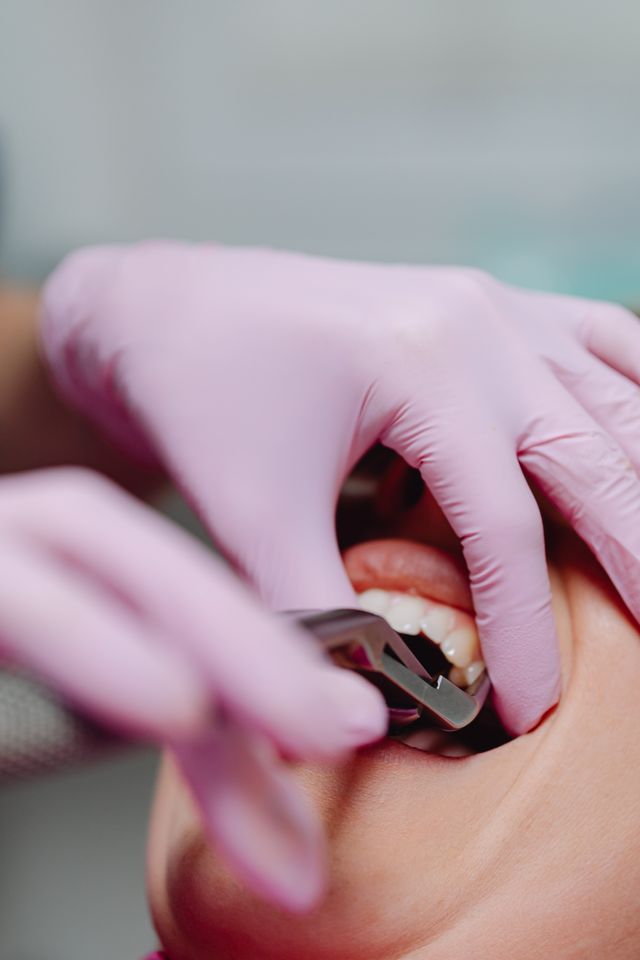
One of the things that can be really unsettling about internal tooth resorption is the way it can go unnoticed right up until the early stages are missed entirely. Studies show that a whole lot more cases are picked up on by chance while radiographs are being done than when there are actual symptoms.
When symptoms start to appear, they can be pretty mild, maybe painful, especially when eating or drinking something hot or cold, or even some swelling in the gum around that tooth. There’s also this pretty distinctive sign that’s come to be known as the “pink tooth”. It’s actually pretty rare & usually means the disease has taken off by the time it’s noticed. That’s pretty much a pretty late diagnosis point.
Old-fashioned 2D radiographs don’t do great with working out how big the hole is in the tooth & how far it’s spread. A study that tested out different imaging systems came to the conclusion that 3d CBCT scans make a pretty big difference in being able to spot resorption early enough. If the cases are complicated, you can boost the accuracy of the diagnosis by over 30%.
Management Strategies and Treatment Outcomes
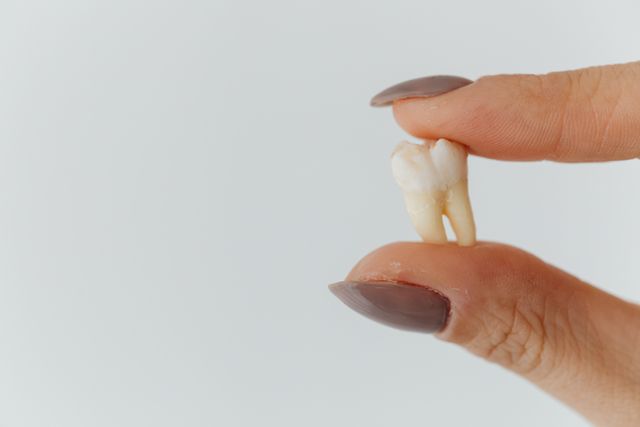
The biggest thing when it’s time to treat the tooth is to get the infected pulp out & stop the tooth from getting worse any more. Your dentist is likely to do a root canal which is still the number 1 way to deal with non-perforating internal resorption. In studies, the best outcomes have come from 85% to 95% of cases when the tooth is still pretty healthy & the resorption isn’t causing a lot of damage yet.
The tools & techniques dentists use have all improved a lot. Things like the new instruments they use & more powerful cleaning tools make cleaning out all the weirdly shaped holes in the tooth a lot easier. Some studies show that by making the water a bit more active during the cleaning process, they can get rid of way more of the old tissue & bacteria than just using a syringe.
Cases where the tooth has already broken through are a lot harder to deal with. Often the treatment will need some special repair material like MTA or bio ceramic to help heal the tooth up again. There have been a few reviews of all the data put together on how well these materials work. They show pretty good results, over 80% in some cases. However, the more the tooth gets destroyed, the trickier it is to fix.
Tags:KS


What New NDIS Participants Wish They Had Known Sooner


Ask people who have been on the NDIS for a few years what they would tell their newer selves, and...


Dependable Technology: What Reliable Business IT Support Really Means
In the world of business, reliability is the most valued characteristic of technologyand it's difficult to assure without the proper...


Understanding Specialist Physiotherapy for Movement Problems
Movement is an essential part of our daily lives. Whether it’s a simple stroll in the park or participating in...


Commercial Cooling Systems in the Riverina: What Should Business Operators in the Riverina Consider Before Specifying or Replacing?
There are several factors coming together to create a unique scenario for many Riverina business operators at this particular time:...