






When it comes to long-term care, ensuring comfort and well-being is a top priority. One often overlooked element in this equation is the mattress. For many patients, especially those with limited mobility, the right mattress can make all the difference. Enter pressure relief mattresses—a game changer in promoting health and comfort for individuals who spend extended periods in bed.
These specialized mattresses are designed not just to provide support but also to alleviate pressure points that can lead to serious health complications. As we delve into how these innovative solutions enhance long-term care, you’ll discover why they are essential for both caregivers and patients alike. Let’s explore how investing in quality sleep surfaces contributes significantly to overall patient health and happiness!
Understanding Pressure Relief Mattresses
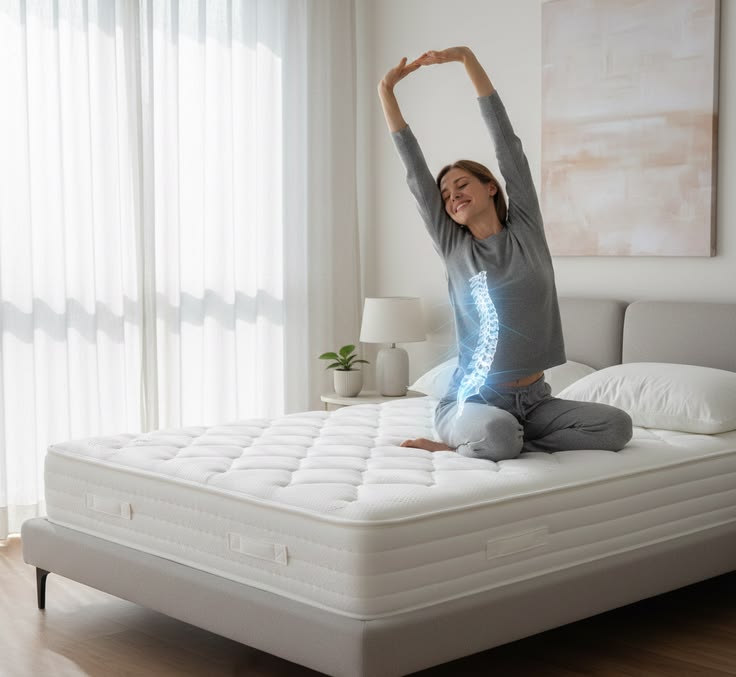
Pressure relief mattresses are specifically designed to distribute body weight evenly. This helps reduce the pressure on vulnerable areas, particularly for those who spend a lot of time in bed.
These mattresses often utilize advanced materials like memory foam and gel-infused layers. These technologies respond to body movements and temperature, creating a customized sleep surface that adapts throughout the night.
The goal is simple: prevent skin breakdown and enhance comfort. By minimizing friction and shear forces against the skin, these mattresses maintain better overall health for individuals with limited mobility, especially when using an alternating pressure mattress.
Additionally, many pressure relief options come with adjustable features. Caregivers can modify firmness levels or raise specific sections to accommodate patient needs more effectively. The blend of support and adaptability makes them invaluable in long-term care settings where comfort is essential for recovery and well-being.
The Importance of Pressure Relief in Long-Term Care
Pressure relief is a critical factor in long-term care. Individuals with limited mobility often spend extended periods in bed or sitting, increasing their risk of pressure ulcers.
These wounds can lead to severe complications, such as infections and longer recovery times. Effective pressure relief strategies are essential for maintaining skin integrity and overall health.
Moreover, preventing discomfort plays a significant role in enhancing the quality of life. When patients experience less pain from sores or pressure points, they are more likely to engage in daily activities.
Healthcare providers must prioritize proper support surfaces and regular repositioning techniques. Addressing these needs not only promotes healing but also fosters independence among residents.
Investing time and resources into effective pressure relief measures enhances patient outcomes significantly while reducing healthcare costs associated with treating advanced-stage wounds.
Common Health Issues in Long-Term Care Settings
Long-term care settings often cater to individuals with specific health needs. Among these, pressure ulcers are a significant concern. These sores develop when skin is subjected to prolonged pressure, especially in immobile patients.
Another common issue is respiratory complications. Residents may struggle with conditions like pneumonia due to limited mobility and weakened immune systems. This can lead to serious health risks if not addressed promptly.
Additionally, cognitive decline is prevalent among elderly populations in long-term care facilities. Conditions such as dementia or Alzheimer’s affect memory and daily functioning, making it challenging for caregivers to provide adequate support.
Mental health issues deserve attention too. Loneliness and depression can quickly manifest in residents who feel isolated from loved ones or lack social engagement opportunities. Addressing these challenges requires a comprehensive approach that considers both physical and emotional well-being.
How Pressure Relief Mattresses Can Help Address These Issues
Pressure relief mattresses play a crucial role in enhancing comfort and health for individuals in long-term care. They are designed to reduce pressure points that can lead to discomfort and skin injuries.
These mattresses distribute body weight evenly, minimizing the risk of bedsores. This is especially important for those with limited mobility who spend extended periods in bed.
Many models feature advanced materials like memory foam or gel layers, providing better support while adapting to individual body shapes.
Additionally, some pressure relief options include airflow technology to keep the surface cool and dry. This helps prevent moisture buildup, which can contribute to skin irritation.
By addressing these concerns effectively, pressure relief mattresses ensure that residents feel more comfortable and secure throughout their stay in long-term care facilities. The right mattress not only promotes physical well-being but also enhances overall quality of life.
Types of Pressure Relief Mattresses Available
When it comes to pressure relief mattresses, there are several types available to suit different needs and preferences. Each type is designed with specific features that cater to varying levels of comfort and support.
Memory foam mattresses are popular for their ability to contour to the body’s shape. They distribute weight evenly, which can significantly reduce pressure points. Many find these mattresses offer great comfort, particularly those who spend extended periods in bed.
Air-filled mattresses provide adjustable firmness by allowing users or caregivers to change air levels. This adjustability can be beneficial for individuals experiencing fluctuating health conditions or changing mobility needs.
Alternating pressure mattresses use air chambers that inflate and deflate at regular intervals. This constant movement helps redistribute body weight, reducing the risk of bedsores effectively while increasing blood circulation.
Gel-infused mattresses combine memory foam with gel technology for added cooling effects. These are ideal for those who tend to overheat during sleep while still receiving ample support against pressure sores.
Choosing the right type of mattress depends on individual circumstances, including medical conditions and personal comfort preferences. With an array of options available, finding a suitable pressure relief mattress can greatly enhance quality of life in long-term care settings.


The Future of Functional Learning Environments


Picture a classroom that encourages creativity, collaboration, and critical thinking. This is the vision behind functional learning environments—spaces designed to...


What Affects the Price of NDIS Physiotherapy Services?
Navigating the world of NDIS physiotherapy services can feel like a complex journey. For many individuals with disabilities, accessing quality...


Granny Flats A Smart Investment for Your Future
Imagine having an extra space on your property that can serve various purposes while adding value to your home. That’s...