





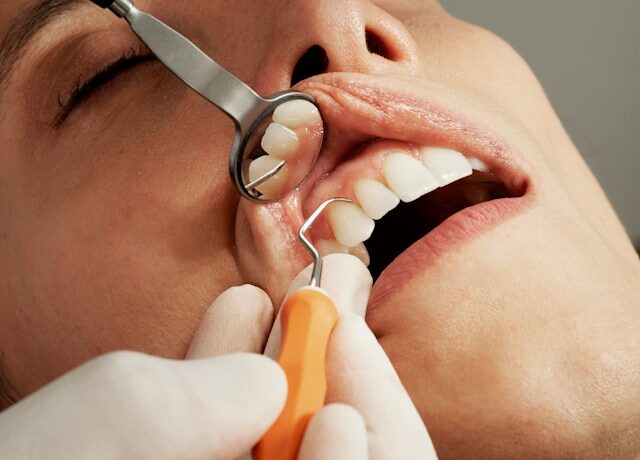
Pain in the teeth often necessitates an urgent appointment at the dentist. It is much easier to put off a routine check-up, especially when there is no pain or apparent problem. In such instances, the options available by the time the treatment becomes urgent are very limited.
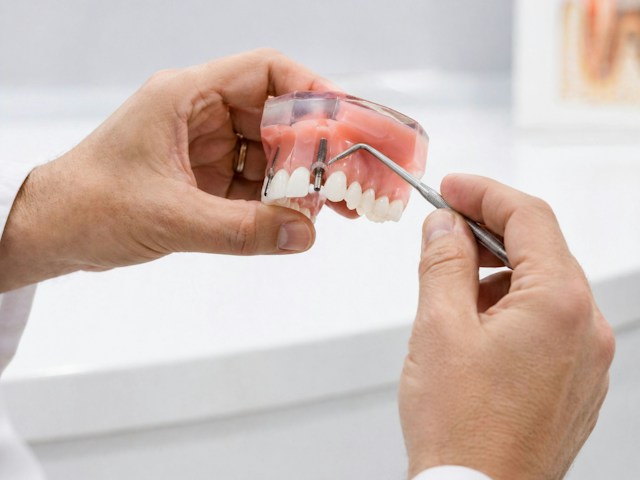
National Numbers
In 2024-25, 53.9 per cent of Australians have consulted a dental practitioner. The remaining 46.1 per cent of Australians have not reported visiting a dentist near Booragoon in the same period, although they might not have required any treatment. Another measure states that 25.2 per cent of the individuals postponed or missed treatment of their dental problems as they were supposed to be treated, with 16.1 per cent citing cost as one reason.
The two statistics represent two different dimensions of dental care. While the former refers to the number of Australians who consulted a dentist, the latter represents the number of individuals who required dental treatment but did not receive it. Thus, it shows that cost and timing hinder a large portion of Australians from seeking help.
Medicare usually does not cover adult dental care; hence, individuals pay for the appointment out of pocket.
Fear is a Health Issue Too
Dental anxiety is a major reason people put off getting treatment. According to dental health groups a whopping 16% of adults are affected, and it’s not because they’re worried about their teeth themselves. It’s usually because of the treatment noises, worrying they won’t be able to control what’s happening or because of some bad experience from a previous appointment.
Dental practices that can tell they’re dealing with anxious people can make life a lot easier by taking the time to explain what they’re going to do beforehand, agreeing on a signal to stop treatment if the patient needs to and keeping the initial visits nice and short. If you let a dentist know about any concerns beforehand, they can talk to you about changing how the appointment gets run. Going for regular check-ups can also reduce the chances of needing any major work done, although I should point out that no regular schedule can guarantee that.
How Often Should You Go?
There’s no one-size-fits-all answer to how often you should go to the dentist. Many dental people recommend appointments every six to a year, while others reckon most people should be in at least every 12 months. It’s down to your individual needs, and the best person to work that out is your dentist after taking a look at your teeth.
Some people might need to go more often than that. If you smoke, have diabetes or are in the habit of guzzling sugary drinks and sweet snacks, then you are going to be at a higher risk of getting problems with your teeth and gums. Gum disease can actually cause a lot of damage before you ever even feel any pain, so your dentist can often spot the problem before it even becomes an issue. There has been research that links gum disease to other health issues like heart disease, but let’s be clear, that’s not the same as saying one causes the other.
Before you leave the clinic, just ask your dentist when you should come back next. A regular check-up schedule based on your needs will always be more useful than just some general recommendation. You can also tell the difference in how often you need to go in if you are a kid, old or just have a medical condition.
Choosing a Practice to Call Home
If a dental practice is nice and close to home or work, then it’s a lot easier to make regular appointments, especially if you’ve got a busy lifestyle. Communication is also important; it can make a big difference when you are trying to make decisions about treatment and how much it will cost.
- Does the dentist explain what they are finding in plain English?
- Are you given all the treatment options and costs in writing before anything starts?
- Do they offer flexible appointment times, like early morning or evening slots?
- Can the reception team explain their hygiene procedures to you?
People with private health insurance should always check their policy to see what is covered, what the annual limit is and what waiting periods there are. You should also get a written quote and know your payment options before you show up at the clinic.
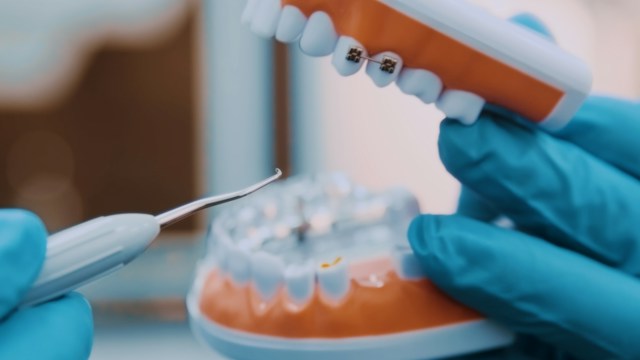
Everyday Dental Care
The 2024 Oral Health Tracker found that a pretty meagre 53% of Australian adults are brushing their teeth twice a day. On top of that, it found that just 48.8% of adults in the country had had a dental check-up in the last year; that’s another big opportunity to improve how we look after our teeth.
Brush your teeth with some fluoride toothpaste for two minutes in the morning and again at night, and also make sure to clean between your teeth every day because that won’t cut it with a brush alone. Reducing your sugary drink consumption will also help because these drinks expose your teeth to acids, which can be a problem.

1 in 4 Aussies Delay the Dentist, What Can an Epping Dentist in Melbourne Do to Help?


In 2024 to 25, a whopping 25.2% of Aussies aged 15 and over decided to put off or cancel a...


Rust by Design: The Science and Style of Corten Steel Edging
Bureau of Meteorology’s outlook for spring 2026 released in late August shows below-average rainfall for Victoria as well as the...


What New NDIS Participants Wish They Had Known Sooner
Ask people who have been on the NDIS for a few years what they would tell their newer selves, and...


Dependable Technology: What Reliable Business IT Support Really Means
In the world of business, reliability is the most valued characteristic of technologyand it's difficult to assure without the proper...