





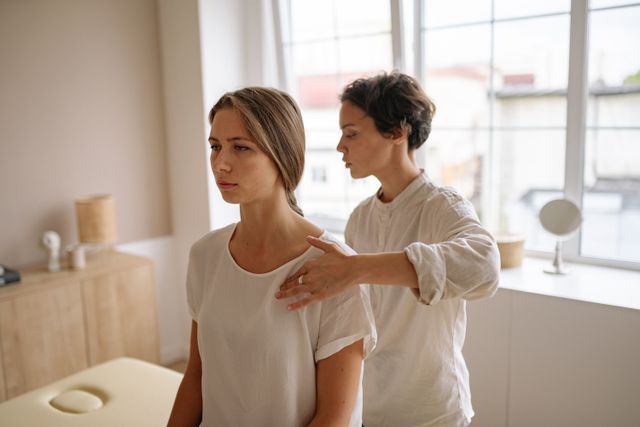
Osteopathy is often misunderstood. Some people believe it is alternative medicine and is not backed up by clinical knowledge or is just physiotherapy under a different name. Neither is true. An osteo is a university-qualified health professional who undertakes a five-year degree that culminates in a Master’s qualification. Osteopaths assess and treat musculoskeletal conditions using evidence-informed clinical practice and manual therapy, focusing on how joints, muscles, connective tissues, and movement affect the body as a whole. Osteopathy is based on recognised healthcare education and continues to evolve with increasing clinical research.
What Brings People Through the Door?
The conditions treated at an Aspendale Gardens osteo clinic are generally reflective of the lifestyle and work requirements of the local community, such as office workers with neck pain, shoulder tension, and upper back discomfort related to long hours sitting at a desk, tradespeople who present with lower back pain and joint problems from repetitive lifting or physically demanding work, and families involved in local sport who regularly attend for sports injuries and overuse conditions.
One of the conditions for which there is the strongest evidence supporting osteopathic treatment is lower back pain, regardless of how recently the pain started or how long it has been present. Some forms of neck pain and headaches caused by musculoskeletal dysfunction have also been reported to have positive outcomes. Those with more complex chronic conditions may get the most benefit from osteopathy as part of a broader management plan rather than as a standalone treatment.
How an Osteopathic Consultation Differs from What You’re Used To?
First-time patients at an osteopath in Aspendale Gardens are often surprised at the level of detail in the consultation, with an initial appointment lasting 45 to 60 minutes, during which the osteopath will discuss your symptoms, medical history, occupation, lifestyle, daily activities and previous treatment. The physical examination generally includes an assessment of posture, movement, walking patterns, joint mobility, and a hands-on examination of the area of concern, with osteopaths also examining other apparently unrelated parts of the body in an effort to identify factors contributing to the problem rather than just the painful region (for example, limited movement of the hips may be contributing to ongoing knee pain).
What Ongoing Treatment Looks Like?
Recent injuries or newly developed symptoms often respond well to a few treatment sessions, whereas chronic or long-standing conditions need a more gradual approach. Hands-on therapy is often complemented by exercise, lifestyle advice, and practical self-management strategies for the longer term. A good osteopath will explain what they think is going to happen with your treatment, the number of appointments they think you will need, and when they think you might expect to see improvement.
Choosing a Practitioner in Aspendale Gardens
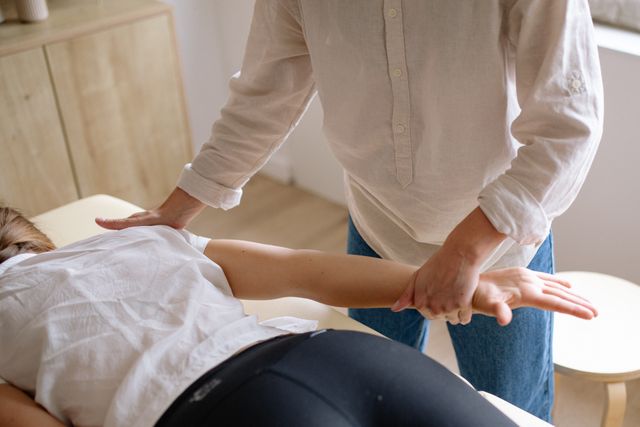
Check that the practitioner is registered with the Australian Health Practitioner Regulation Agency (AHPRA) and is legally permitted to practise osteopathy; check if they treat conditions similar to yours, whether they accept your private health insurance, and what their treatment style is like (some osteopaths specialise in sports injuries, while others are more experienced with workplace-related pain, chronic musculoskeletal conditions, or the needs of older adults). Questions that are not addressed on the clinic website can often be answered by a quick phone call before booking an appointment.
Tags:KS


What New NDIS Participants Wish They Had Known Sooner


Ask people who have been on the NDIS for a few years what they would tell their newer selves, and...


Dependable Technology: What Reliable Business IT Support Really Means
In the world of business, reliability is the most valued characteristic of technologyand it's difficult to assure without the proper...

Understanding Specialist Physiotherapy for Movement Problems
Movement is an essential part of our daily lives. Whether it’s a simple stroll in the park or participating in...

Commercial Cooling Systems in the Riverina: What Should Business Operators in the Riverina Consider Before Specifying or Replacing?
There are several factors coming together to create a unique scenario for many Riverina business operators at this particular time:...