





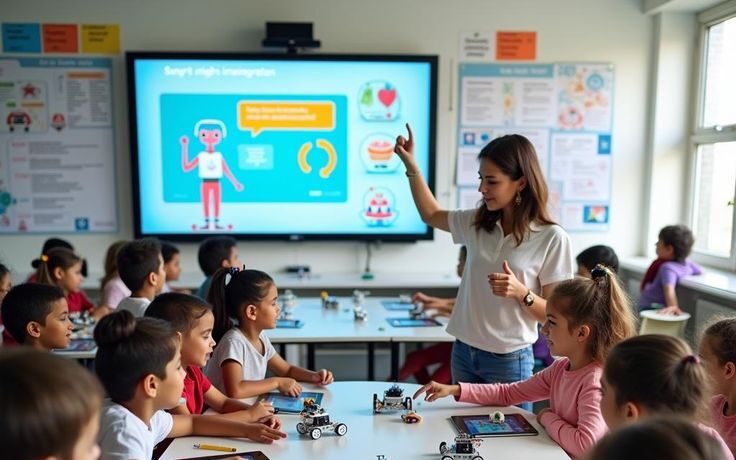
Picture a classroom that encourages creativity, collaboration, and critical thinking. This is the vision behind functional learning environments—spaces designed to enhance student engagement and success. As education evolves, so do our ideas about how to teach and learn effectively. Traditional classrooms with rows of desks are giving way to dynamic spaces filled with adaptable furniture, technology, and inspiring designs.
But what exactly makes these environments “functional”? And why should we care? In this blog post, we’ll explore the essence of functional learning environments, their significance for students today, and what innovative features can transform ordinary spaces into extraordinary places for growth. Join us as we delve into the future of learning!
What are Functional Learning Environments?
Functional learning environments are carefully crafted spaces that prioritize the needs and experiences of students, often supported by well-designed school furniture. Unlike traditional classrooms, they focus on flexibility and adaptability to support various teaching methodologies.
These environments integrate furniture that can be rearranged easily, allowing for a mix of group work and individual study. Bright colors, natural light, and open layouts contribute to a stimulating atmosphere conducive to learning.
Moreover, functional learning environments often incorporate elements like breakout areas or quiet zones tailored for focused tasks or collaborative projects. The goal is to create an inclusive space where every student feels motivated and engaged.
Through thoughtful design choices, these settings foster interaction among peers while also accommodating diverse learning styles. With this approach, education becomes more immersive and relevant in today’s fast-paced world.
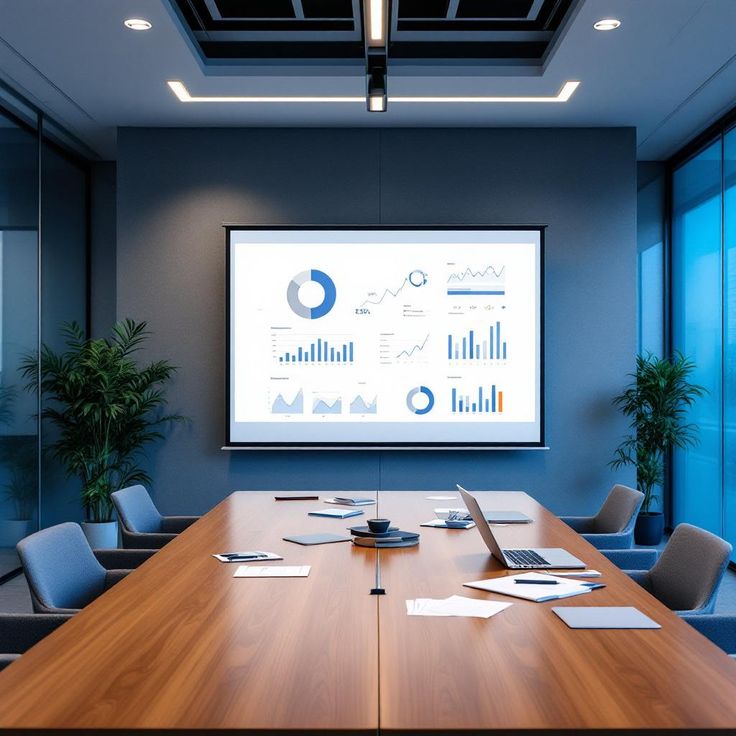
Why are they important for students?
Functional learning environments play a crucial role in student development. They cater to diverse learning styles and needs, creating spaces where every student can thrive.
These environments promote active engagement. When students interact with their surroundings, they absorb information more effectively. This hands-on approach fosters curiosity and enhances retention.
Moreover, functional spaces encourage collaboration among peers. Group work becomes seamless when designed thoughtfully—students learn from each other while building essential social skills.
Flexibility is another significant advantage. With adaptable furniture and layouts, students feel empowered to explore different ways of learning that suit them best.
These environments contribute to well-being. Bright colors, natural light, and open spaces help reduce stress levels, making it easier for students to focus on their studies. Engaged minds flourish in settings that prioritize comfort and functionality.
The Benefits of Functional Learning Environments
Functional learning environments create spaces that cater to diverse learning styles. They encourage both collaboration and individuality. This balance allows students to thrive, whether they prefer group discussions or quiet study.
Flexibility is another key benefit. With movable furniture and adaptable layouts, classrooms can transform easily for various activities. This dynamism keeps the environment fresh and engaging.
Enhanced focus often arises from thoughtful design elements like natural light and sound control. Such features help minimize distractions, allowing students to immerse themselves in their work.
Moreover, functional spaces promote creativity. By integrating artful designs and interactive areas, students feel inspired to think outside the box.
These environments foster a sense of community among learners. When students engage together in comfortable settings, they build relationships that enhance their educational experience.
Innovative Features and Designs
Functional learning environments are evolving rapidly. They incorporate innovative features that inspire creativity and collaboration.
Flexible furniture is one of the standout designs. This allows spaces to be reconfigured easily, accommodating different group sizes and activities. Students can shift from individual work to collaborative projects seamlessly.
Natural lighting plays a crucial role too. Large windows not only enhance mood but also improve focus. Biophilic design elements, like indoor plants, bring nature indoors, fostering a calming atmosphere.
Acoustic panels are another clever addition. They help reduce noise distractions, creating an environment conducive to learning and concentration.
Interactive whiteboards or smart screens encourage engagement. These tools make lessons dynamic and allow for real-time feedback during discussions.
Color schemes also matter significantly in these spaces; vibrant colors can stimulate enthusiasm while softer tones promote relaxation among students as they study or collaborate on projects.
Incorporating Technology in Functional Learning Environments
The integration of technology into functional learning environments is reshaping how students learn and interact with their surroundings. Smartboards, interactive displays, and augmented reality are just a few examples of tools that enhance the educational experience. These technologies not only engage students but also foster collaboration among peers.
Imagine a classroom where lessons come to life through virtual simulations or where instant feedback on assignments can be accessed via tablets. This immediacy helps students understand concepts more deeply and encourages them to explore subjects beyond traditional textbooks.
Moreover, adaptive learning software tailors educational experiences to individual needs, allowing for personalized pacing and style of learning. Teachers can monitor progress in real-time and adjust their approaches accordingly, ensuring no student is left behind.
By incorporating technology thoughtfully into these environments, educators create spaces that promote creativity and critical thinking. The future holds exciting possibilities as we continue to blend innovative designs with cutting-edge tech solutions. As these changes unfold, functional learning environments will become increasingly dynamic places where every student has the opportunity to thrive fully engaged in their education journey.


What Does an Experienced High School Tutor in Melbourne Actually Do Differently?


Most parents out hunting for tutoring support tend to assume the best tutor is simply the one who achieved the...


Making kids Toy Shopping Easier with Flexible Payment Options
Toy shopping can feel like navigating a maze. With endless aisles filled with colorful boxes and flashy packaging, it’s easy...


Puncture Repairs in Lilydale: What Drivers Don’t Know Is Costing Them Money?
Not many people plan for a puncture & it's not something you do, but in Lilydale where construction is always...


The Melbourne Advantage: What Makes Guitar Lessons Here Worth the Investment
Learning guitar in Melbourne is a different experience from learning it in most Australian cities, and the difference is not...