






When it comes to recovery from injuries or managing chronic conditions, many people seek out physiotherapy as a first step. Yet, there’s another powerful approach that can amplify the benefits of traditional physiotherapy: clinical exercise and rehabilitation. Imagine harnessing the restorative power of movement alongside targeted therapeutic techniques. Together, they create a dynamic duo that enhances healing and boosts overall well-being.
In this article, we’ll explore how combining these two methods not only accelerates recovery but also improves physical performance. Whether you’re recovering from an injury or looking to optimize your health routine, understanding this synergy could be the key to unlocking new levels of mobility and strength. Let’s delve into what makes this combination so effective and why it might just be your best path forward on the road to recovery.
Understanding Physiotherapy and Clinical Exercise/Rehab
Physiotherapy is a treatment approach focused on restoring movement and function. It addresses physical issues through hands-on techniques, education, and tailored exercise plans. Physiotherapists assess individual needs to create personalized programs that promote recovery and prevent future injuries.
On the other hand, clinical exercise involves structured physical activity designed to improve health outcomes. This method targets specific conditions like chronic pain or musculoskeletal disorders. Many physio bayswater providers combine therapeutic exercises with supervised training sessions for maximum effectiveness.
Rehabilitation bridges these two disciplines. By integrating physiotherapy’s manual interventions with clinical exercise strategies, patients receive comprehensive care that optimizes healing processes. The collaboration between these practices empowers individuals to regain strength while enhancing mobility.
Together, they provide a holistic approach to recovery—one that’s not only effective but also engaging for patients seeking an active role in their healing journey.
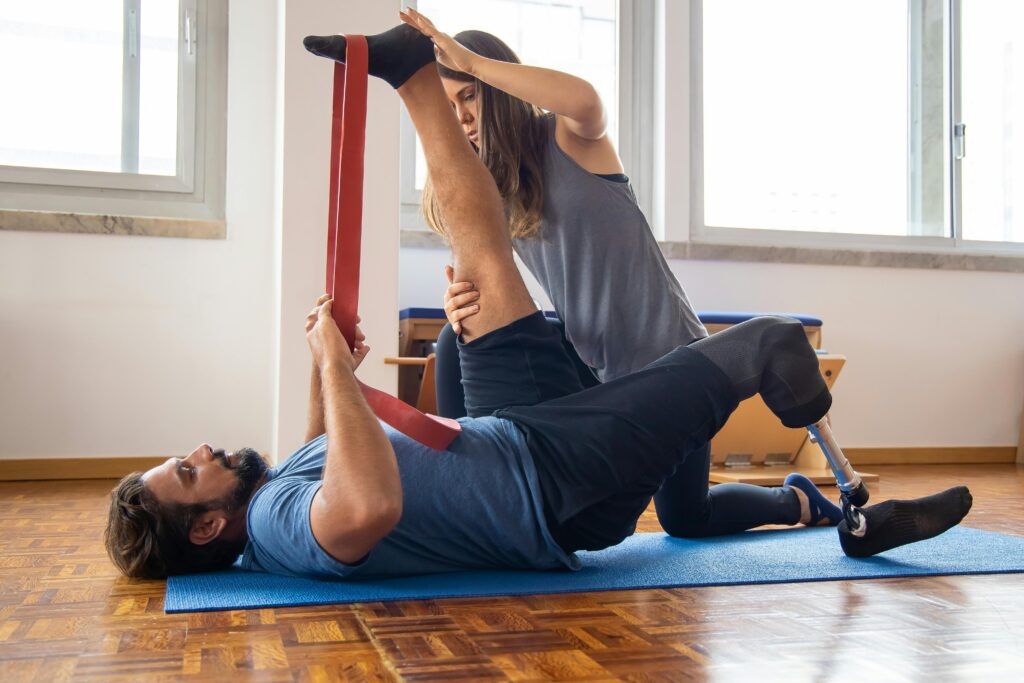
The Benefits of Combining the Two
Combining physiotherapy with clinical exercise and rehab creates a powerful synergy. Each discipline enhances the other, leading to comprehensive care.
Physiotherapy addresses pain management and recovery strategies. It lays the groundwork for restoring function after injury or surgery.
On the other hand, clinical exercise focuses on strength, endurance, and overall physical health. This approach empowers patients to take an active role in their healing process.
Together, they create personalized treatment plans tailored to individual needs. This collaboration fosters motivation and accountability among patients.
When these two methods are harmonized, progress is not just possible but often accelerated. Patients experience improved outcomes as they gain skills that support long-term wellness beyond initial rehabilitation efforts.
Faster Recovery Time and Improved Results
Integrating physiotherapy with clinical exercise and rehab can significantly enhance recovery times. When these two approaches work in tandem, patients receive a comprehensive treatment plan tailored to their needs.
Physiotherapists assess injuries and establish a baseline for recovery. They identify weaknesses and imbalances that could hinder progress. Clinical exercises then target these areas effectively, promoting healing while building strength.
This combination accelerates the body’s natural repair processes. Exercises designed specifically for rehabilitation help improve blood flow to injured tissues. Increased circulation speeds up healing by delivering essential nutrients and oxygen.
Moreover, patients often experience quicker symptom relief when combining therapies. With focused guidance from professionals, individuals can re-engage in activities they love sooner than expected.
The synergy of physiotherapy and clinical exercise not only shortens downtime but also improves overall outcomes, making it easier to return to daily life or sports without lingering issues.
Targeted Treatment for Specific Injuries or Conditions
When it comes to recovery, one size does not fit all. Every injury or condition requires a tailored approach for effective treatment. This is where the combination of physiotherapy and clinical exercise shines.
Physiotherapists assess your individual needs, identifying the underlying causes of pain or dysfunction. They develop personalized plans that target specific injuries, ensuring you’re not just treating symptoms but addressing root issues.
Clinical exercise complements this targeted approach by focusing on building strength and stability in affected areas. Whether it’s a sports injury or post-surgery rehab, these exercises are designed to enhance healing while preventing future complications.
This dual strategy allows patients to experience relief more quickly as they engage in activities specifically aimed at their unique challenges. The result? A more efficient path toward rehabilitation that leaves little room for guesswork or frustration.
Increased Range of Motion and Flexibility
Combining physiotherapy with clinical exercise and rehab can lead to significant improvements in range of motion and flexibility. When these two approaches are integrated, they create a comprehensive treatment plan tailored to the individual’s needs.
Physiotherapy often focuses on alleviating pain and restoring function through manual therapy, modalities, and education. Meanwhile, clinical exercise emphasizes movement patterns that enhance strength and endurance. Together, they help patients regain mobility more effectively.
Improved flexibility is vital for overall health. It reduces the risk of injuries during daily activities or sports. As muscles become more supple through targeted stretching exercises prescribed by physiotherapists, joints gain better mobility too.
Incorporating both disciplines allows for a deeper understanding of body mechanics. This knowledge enables patients to optimize their movements in everyday life as well as during physical activities.
Greater range of motion not only contributes to improved athletic performance but also enhances quality of life by making simple tasks easier to accomplish without discomfort or limitation. Embracing this combination offers an opportunity for individuals on their journey toward recovery and long-term wellness.


Looking into the market for modern adult toys


More and more people are focusing on their own health. In Australia, personal health has become a big deal in...


Transformation, Usefulness, and Value: The Pay-off of Kitchen Renovations.
Kitchen is among the home spaces that are most vital as there is day-to-day cooking, eating, and assembling. With time,...


How to Make Your Outdoor Spaces Look Great with Outdoor Wicker Lounge Sets
Living Outside in Australian Homes People in Australia are widely recognised for enjoying living outside. Outdoor spaces can become an...


Why Counselling is a High-Demand Career in Australia
The world of counselling is more than just a profession; it's a calling. With the rising complexities of modern life,...