





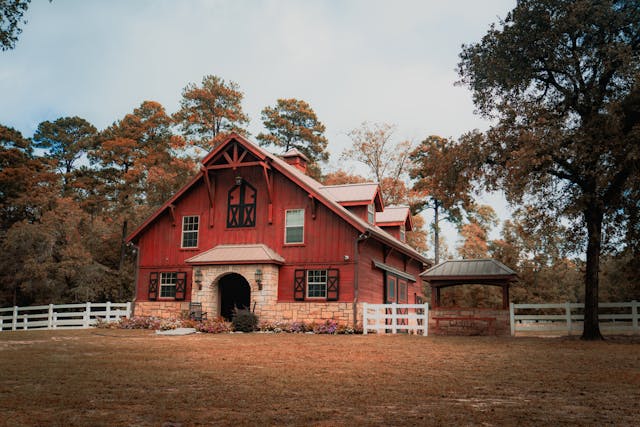
DIY fencing gives you control over your outside projects.
One of the best things you can do to improve a property is put up a fence. It adds value, increases safety, defines spaces, and gives people more privacy. But hiring a professional to build a fence can be expensive and take a lot of time. That’s why many homeowners are choosing to build their own fences instead.
You have more control over your fence when you do it yourself. You can build your own fence in a weekend if you have the necessary tools, materials, and a little time to plan. Then you can enjoy seeing the results of your work. A lot of people believe it’s hard, but it’s not. The solutions available today are more stylish and long-lasting than before.
Why more and more people are doing their own fencing
Many Australians, especially those who like to work with their hands, have turned to DIY fencing as a solution. Diy fencing is a cheap solution to meet a range of fencing demands, such as property lines, garden sections, pet cages, and side access gates.
Modern DIY fence kits are made to be easy to use. They usually come with pre-cut panels, matching posts, and all the hardware you need. The designs are modern, the materials can stand up to the weather, and the instructions are easy to follow for beginners. You can choose a DIY fence that looks like wood or steel, depending on what you desire.
You may arrange your installation on your own schedule, and if you need to, you can even spread the job out over the weekends. You don’t have to coordinate trades or wait for a booking.
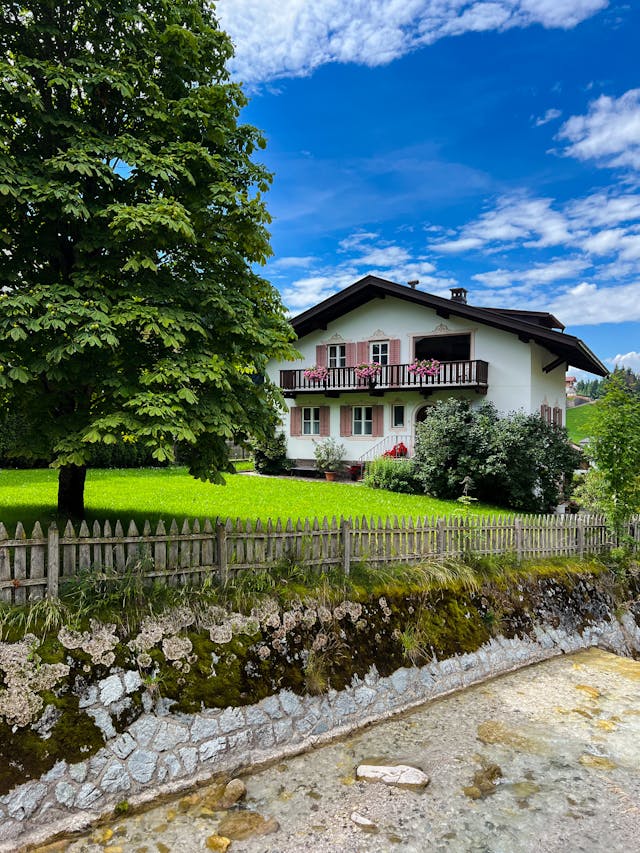
Different Kinds of Fences You Can Make Yourself
There is more than one form of DIY fencing. There are kits and supplies that work for diverse things, like:
Fences for privacy that keep out neighbours and street views
Decorative garden fencing to set off paths or keep flower beds safe
Fencing for security to keep side doors or backyards safe
Picket fences for front yards or residences with a traditional look
Metal panel fencing is a modern, low-maintenance option.
There are also kits for blocks that are slanted or uneven, as well as changeable panels that let you change the configuration. Many vendors have online tools that can help you figure out how many panels, posts, and extras you’ll need before you start.
Making a plan for your DIY fence project
Good planning is the most important part of DIY fencing. Before you buy the materials, measure the area and mark where the posts will go. Plan your fence line with a string line or chalk, and make sure it won’t get in the way of utilities or other buildings.
Check the rules of your local council, especially if your fence is on a property line or near a pool. There may be rules about how tall, what materials, and how far away from property lines things can be. If you’re not sure, it might be a good idea to talk to your supplier or a local hardware specialist.
When you buy your kit, look for characteristics like:
Metal that has been pre-galvanized or powder-coated to keep it from rusting
Wood panels that have been treated to keep insects and rot away
Hinges and gate kits that are easy to latch
Choices for matching colours exactly
To make sure you’re ready for installation day, suppliers generally send you lists of tools and safety guidelines.
A Project That Will Pay Off in the Long Run
Building your own fence is a great way to save money and make your property more useful and valuable right away. You will make your home appear better, make it safer, and feel good about making something helpful with your own hands.
There are so many providers that offer DIY-friendly solutions, help and online tutorials that it’s never been easier to put up a fence yourself without a trade licence.
Tags:KS


What Does an Experienced High School Tutor in Melbourne Actually Do Differently?


Most parents out hunting for tutoring support tend to assume the best tutor is simply the one who achieved the...


What Separates a High-Accuracy Number Plate Recognition Camera from One That Almost Works?
Two cameras, same entry lane, same lighting conditions, with very different results. One high-accuracy number plate recognition cameras manages to...


Puncture Repairs in Lilydale: What Drivers Don’t Know Is Costing Them Money?
Not many people plan for a puncture & it's not something you do, but in Lilydale where construction is always...


A Stair Edge That Disappears Without Compromises on Safety
A Stair Edge That Disappears Without Losing Safety starts with the everyday reality of open-plan homes, where light and sightlines...